
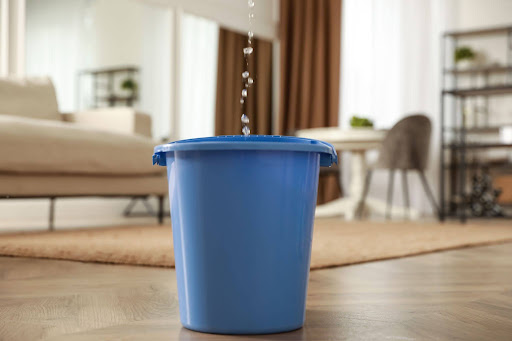
Water leakage can begin as a small drip, yet it can quickly become a serious property problem. Many homeowners ignore minor stains, slow faucet leaks, or damp corners because they seem harmless at first. However, water leakage problems and solutions should never be delayed, because moisture can damage walls, ceilings, floors, pipes, and structural materials.
In homes and buildings, water leaks often hide behind walls, under slabs, above ceilings, or around bathroom fixtures. As a result, early water leak detection is the smartest way to prevent expensive water damage repair. This guide explains the causes of water leakage, common warning signs, practical fixes, and the right time to call a plumber for water leaks.
Why Water Leakage Problems Need Quick Attention
Water leakage problems affect more than comfort. They can weaken building materials, increase utility bills, and create unhealthy indoor conditions. Moreover, hidden water leaks may continue for weeks before visible damage appears.
When moisture remains trapped, it can lead to damp walls and ceilings, peeling paint, damaged flooring, and mold from water leaks. Therefore, homeowners should treat every leak as a warning sign. Even a small pipe leak can become burst pipe damage when pressure, corrosion, or poor fittings worsen over time.
Common water leakage problems in homes usually begin in these areas:
- Bathrooms and kitchens
- Roofs and terraces
- Interior and exterior walls
- Underground or slab plumbing lines
- Faucets, fixtures, valves, and joints
- Water heaters and appliance connections
Common Causes of Water Leakage
Understanding the causes of water leakage helps you choose the right repair method. Some leaks come from plumbing defects, while others come from weather exposure or poor waterproofing.
1. Damaged or Aging Pipes
Old pipes can corrode, crack, or loosen at joints. In addition, high water pressure can stress weak lines and cause pipe leakage repair needs. If pipes are hidden behind walls, the leak may show as stains, bubbling paint, or soft drywall.
2. Poor Plumbing Installation
Plumbing leakage problems often happen when fittings are loose, seals are weak, or pipes are not installed correctly. Consequently, water may escape slowly around joints, valves, and fixture connections.
3. Bathroom Water Leakage
Bathroom water leakage is one of the most common home water leakage issues. It may come from cracked tiles, damaged grout, leaking faucets and fixtures, faulty shower lines, or poor drain sealing. Over time, bathroom leaks can affect nearby walls, floors, and ceilings.
4. Roof Water Leakage
Roof water leakage solutions are important after storms, heavy rain, or long-term roof wear. Broken tiles, blocked gutters, damaged flashing, and poor roof slope can allow water to enter ceilings and walls.
5. Wall Seepage Problems
Wall seepage problems may happen because of exterior cracks, poor waterproofing, leaking pipes, or water collecting near the foundation. As a result, homeowners may notice musty smells, wet patches, or white salt-like marks on walls.
6. Slab Leaks
Slab leak symptoms include warm floor spots, low water pressure, unexplained water bills, and sounds of running water when taps are off. Since these leaks are under concrete, professional leak detection technology is often needed.
Signs of Water Leakage Inside Walls
Hidden leaks are dangerous because they are not always visible immediately. Therefore, knowing how to find hidden water leaks can save your property from major repair costs.
Watch for these warning signs:
- Damp walls and ceilings
- Peeling paint or wallpaper
- Musty indoor smell
- Mold growth near corners
- Unexplained rise in water bills
- Water stains on ceilings
- Low water pressure
- Cracks around walls or flooring
- Sounds of dripping or running water
- Soft, swollen, or warped flooring
If you notice two or more signs, schedule a plumbing inspection checklist review as soon as possible.
Water Leakage Problems and Practical Solutions
The best solutions for water leakage problems depend on the source, location, and severity of the leak. However, early action always reduces damage.
Leakage Area | Common Cause | Best Repair Solution |
Bathroom | Damaged grout, fixtures, or drains | Bathroom leakage repair and resealing |
Kitchen | Sink pipe leaks or faucet issues | Pipe leakage repair and fixture replacement |
Roof | Broken tiles, flashing, or gutters | Roof inspection and waterproofing solutions |
Walls | Pipe leaks or exterior seepage | Wall seepage repair service |
Slab | Underground pipe damage | Professional water leak detection service |
Faucet | Worn washer, valve, or cartridge | Faucet repair or replacement |
Main pipe | Pressure, corrosion, or cracks | Emergency leak repair |
Water Leakage Repair Tips for Homeowners
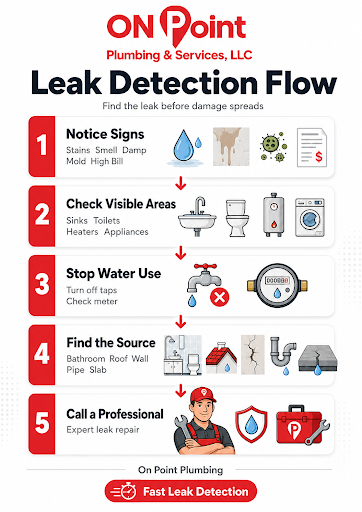
Some small leaks can be managed temporarily, yet permanent repairs need proper diagnosis. First, shut off the main water supply if water is spreading quickly. Next, dry the affected area to reduce moisture damage prevention risks. Then, avoid covering stains with paint before finding the source.
Homeowners can follow these simple tips:
- Inspect pipes under sinks every month
- Replace worn faucet washers and seals
- Clean gutters before heavy rain seasons
- Repair cracked bathroom grout quickly
- Keep water pressure at a safe level
- Check appliance hoses for wear
- Schedule plumbing inspections regularly
- Do not ignore mold or musty odors
Although these steps help, they are not substitutes for professional waterproofing service or plumbing repair when leakage is active.
Bathroom Leakage Causes and Solutions
Bathrooms contain many water points, so leakage can happen easily. The main causes and solutions for bathroom leakage include damaged shower seals, cracked tiles, loose toilet bases, leaking faucets, and hidden pipe faults.
For minor grout damage, resealing may solve the issue. However, if water reaches the floor base or nearby walls, bathroom leakage repair should be handled by a trained plumber. Otherwise, moisture can travel below tiles and damage the subfloor.
Professional repair may include:
- Fixture tightening
- Pipe replacement
- Drain resealing
- Tile and grout repair
- Moisture testing
- Waterproof layer repair
Roof and Wall Water Leakage Solutions
Roof leaks and wall seepage problems often become visible during rain. Yet the real source may be several feet away from the stain. Therefore, proper inspection matters.
Roof water leakage solutions may include gutter cleaning, flashing repair, roof crack sealing, and waterproof coating. Meanwhile, wall seepage repair service may involve exterior crack filling, pipe inspection, damp proofing, and drainage improvement.
If ignored, roof and wall leaks can cause ceiling stains, mold growth, electrical risks, and interior finish damage.
When to Call a Plumber for Water Leakage
You should call a plumber for water leakage when the source is hidden, the leak continues after basic checks, or water is damaging walls and floors. In addition, call for emergency leak repair if you see flooding, burst pipe damage, or sudden pressure loss.
A professional plumber for water leaks can use leak detection technology to locate problems without unnecessary damage. This is especially useful for hidden water leaks, slab leak symptoms, and plumbing leakage problems behind walls.
Choose expert help when you need:
- Water leakage repair service
- Water leak detection service
- Bathroom leakage repair
- Pipe leakage repair near me
- Wall seepage repair service
- Professional waterproofing service
- Emergency leak repair
How Water Leakage Damages Buildings
Water can move through tiny cracks and spread into materials that should stay dry. As a result, long-term leakage can weaken plaster, rot wood, rust metal, and damage insulation. Additionally, mold from water leaks can affect indoor air quality and comfort.
Moisture damage prevention is always cheaper than delayed repair. Therefore, every homeowner should respond early to damp spots, stains, strange odors, and unexplained water use.
Final Thoughts
Water leakage problems and solutions should be handled with care, speed, and proper inspection. Whether the issue is bathroom water leakage, plumbing leakage problems, roof leaks, or signs of water leakage inside walls, early action protects your property.
If you are dealing with hidden water leaks, damp walls and ceilings, or rising water bills, do not wait for the damage to grow. A reliable water leakage repair service can detect the cause, repair the leak, and help prevent future moisture problems.
Ready to Stop Water Leakage Before It Spreads?
Do not let a small drip become a costly repair. Protect your home with expert water leak detection, fast water leak repair, and reliable plumbing support. Contact On Point Plumbing today to schedule service, ask questions, or get help with bathroom leaks, pipe leaks, wall seepage, and hidden water leakage problems.
Your home deserves dry walls, safe plumbing, and peace of mind.
Frequently Asked Questions
What are the most common water leakage problems in homes?
The most common water leakage problems include leaking faucets, damaged pipes, bathroom leaks, roof leaks, wall seepage, slab leaks, and appliance hose leaks. These issues can cause stains, mold, low water pressure, and structural damage if ignored.
How can I find hidden water leaks?
You can find hidden water leaks by checking for damp walls, musty smells, peeling paint, water stains, and unexpected water bill increases. You can also turn off all taps and watch the water meter. If it still moves, a hidden leak may be present.
What are the best solutions for water leakage problems?
The best solutions include leak detection, pipe leakage repair, bathroom resealing, roof waterproofing, wall seepage repair, fixture replacement, and regular plumbing inspection. The right solution depends on the source of the leak and the extent of the damage.
Can water leakage cause mold?
Yes, water leakage can cause mold when moisture stays trapped in walls, ceilings, floors, or cabinets. Mold from water leaks can spread quickly, so the leak should be repaired and the affected area properly dried.
When should I call a professional plumber?
Call a professional plumber when the leak source is hidden, the water keeps returning, walls or ceilings are damp, or flooding begins. You should also request professional help for slab leaks, burst pipes, and emergency leak repair.