
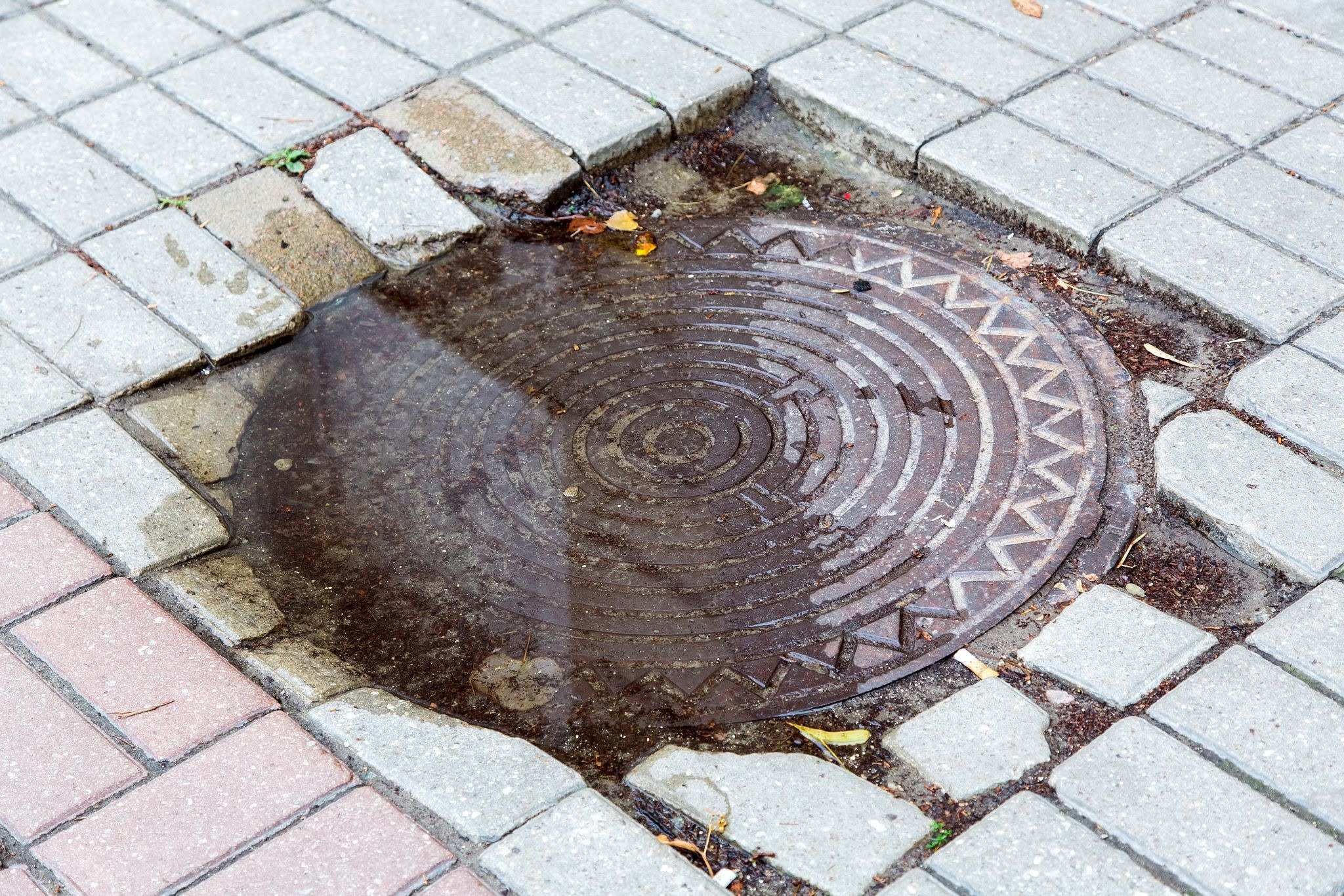
A sewer backup can turn a normal day into a stressful and costly plumbing emergency. However, most backups do not happen without warning. Your home usually gives clear signals before wastewater returns through drains, toilets, tubs, or basement floor drains. Therefore, learning the most common sewer backup warning signs helps you act before damage spreads.
If you have noticed strange drain noises, foul odors, or multiple drains clogged at once, your main sewer line may need attention. These signs of sewer backup should never be ignored because sewage can damage flooring, walls, furniture, and personal belongings. More importantly, it can expose your family to unsafe bacteria and unpleasant indoor air.
For homeowners in Zephyr, Brownwood, and nearby Central Texas communities, early action is especially important. Local soil movement, aging pipes, grease buildup, and tree root sewer line damage can all affect sewer performance. Fortunately, a licensed plumber can inspect the line, find the blockage, and recommend the right repair before the issue becomes severe.
What Is a Sewer Backup?
A sewer backup happens when wastewater cannot move away from your home through the main sewer line. As a result, the water reverses direction and comes back through the lowest open drain. This is why a sewer backup in basement areas is common when the main line is blocked.
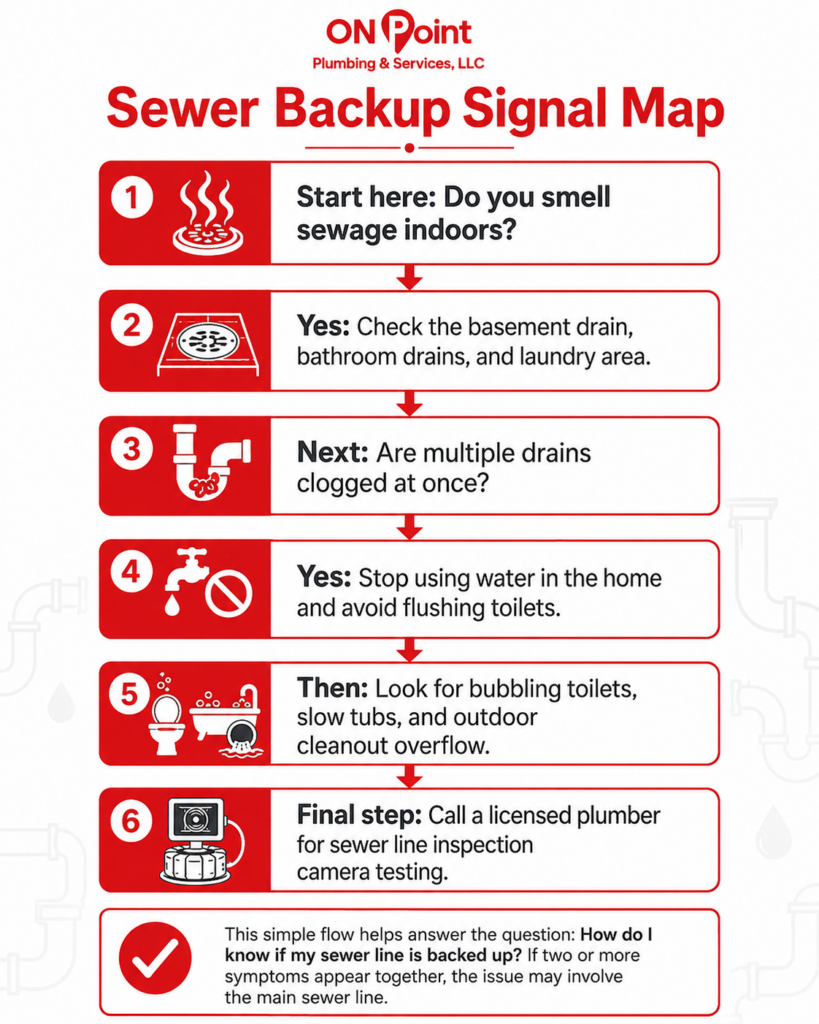
Unlike a small sink clog, a main line issue affects the entire drainage system. You may see toilets bubbling, tubs filling with dirty water, or sinks draining slowly at the same time. In many cases, these sewer line backup symptoms point to a deeper problem outside the fixture itself.
The Most Common Sewer Backup Warning Signs
Knowing the early warning signs can help you avoid panic, damage, and expensive cleanup. Watch for these clear sewer line clog signs around your home.
- Several fixtures drain slowly at the same time.
- Toilets bubble when another drain is used.
- Water rises in a tub when the toilet flushes.
- A basement floor drain smells like sewage.
- Gurgling sounds come from sinks, tubs, or toilets.
- Wastewater appears near floor drains.
- Outdoor cleanouts show standing water.
- Your yard has soggy areas with foul odors.
A single slow sink may only mean a local clog. However, slow draining toilet and sinks together often suggest a main sewer line problem. Similarly, gurgling drains sewer problem cases often happen when trapped air cannot escape through a blocked pipe.
What Causes Sewer Backup?
Many homeowners ask what causes sewer backup after the damage has already started. In reality, several problems can block or restrict wastewater flow.
Tree root sewer line damage is one of the most frustrating causes because it often returns. Therefore, a plumber may recommend a sewer line inspection camera to see the exact location and size of the problem. In some cases, hydro jetting sewer line service can clear roots, grease, and sludge from the pipe.
Why Does My Basement Drain Smell Like Sewage?
A sewer smell can come from dry drain traps, blocked vents, broken seals, or main line problems. However, sewer smell in the house should always be checked quickly because odors can point to unsafe drainage conditions.
If your basement drain smells like sewage, pour water into the drain first to refill the trap. Then, watch for slow drainage, bubbling, or wastewater movement. If the smell returns, the line may need professional cleaning or camera inspection.
Sewer Backup vs Septic Backup
Sewer backup vs septic backup can confuse homeowners because the symptoms look similar. A sewer backup usually involves a municipal sewer line or a home main line connected to it. A septic backup involves a private septic tank, drain field, or septic line.
Both problems can cause sewage odors, slow drains, and wastewater entering the home. However, the repair method can differ greatly. Therefore, a plumber should confirm the system type before recommending cleaning, repair, or replacement.
What To Do When Sewer Backs Up Into House
When sewage enters your home, quick action matters. First, stop using water immediately. Do not flush toilets, run laundry, shower, or use dishwashers. Next, keep children and pets away from contaminated areas.
Then, call an emergency sewer backup plumber near me for immediate help. Avoid using chemical drain cleaners because they can damage pipes and create unsafe conditions. Also, take photos for documentation before cleanup begins.
Here is a simple action list:
- Stop all water use inside the home.
- Keep people away from affected rooms.
- Turn off electricity near standing water if safe.
- Call a licensed sewer and drain plumber.
- Document the damage for insurance.
- Schedule proper cleaning after the blockage is removed.
Is Sewer Backup Covered By Homeowners Insurance?
Many homeowners ask, is sewer backup covered by homeowners insurance? The answer depends on your policy. Standard policies may not automatically cover sewer backup damage unless you added a special endorsement. Therefore, review your policy or call your insurance provider before a problem happens.
Even when coverage exists, it may have limits. It may cover cleanup and damaged property, but not always pipe repair. Because every policy is different, document symptoms, take photos, and keep invoices from licensed professionals.
How Much Does It Cost To Fix a Sewer Backup?
The cost depends on the cause, location, severity, and repair method. Basic drain cleaning may cost much less than excavation or pipe replacement. However, main sewer line replacement cost can rise when the pipe is deep, long, collapsed, or under concrete.
A plumber may start with a camera inspection to find the blockage. After that, cleaning, hydro jetting, spot repair, or replacement may be recommended. The best way to control cost is to act when early signs of sewer backup first appear.
How To Prevent Sewer Backup
Prevention is easier than emergency cleanup. Although no system is perfect, good habits reduce the risk of sewer backups.
- Never pour grease, oil, or fat into drains.
- Avoid flushing wipes, paper towels, or hygiene products.
- Schedule drain cleaning when clogs repeat.
- Use a sewer line inspection camera for recurring symptoms.
- Keep large trees away from sewer line paths.
- Install a backwater valve when recommended.
- Call a plumber when multiple drains slow down together.
If you want to know how to prevent sewer backup, start with routine awareness. Listen for gurgling, notice drain speed, and respond quickly when smells appear. Small signs can reveal a serious blockage before sewage reaches your floors.
Local Sewer Help in Zephyr and Central Texas
If you need sewer backup repair in Zephyr, TX, local experience matters. Homes in Central Texas can face tough soil conditions, aging lines, root intrusion, and seasonal drainage stress. Therefore, choosing a plumbing team familiar with local systems can make diagnosis faster.
On Point Plumbing provides sewer and drain cleaning Central Texas homeowners can rely on. The team also offers sewer line services Brownwood TX residents may need when slow drains, odors, and backups appear. Whether the issue needs cleaning, camera inspection, or repair, prompt service can protect your home and comfort.
Protect Your Home Before a Sewer Backup Gets Worse
Your home is already speaking. The question is whether you will answer before the backup gets worse.
Choose your next step today:
- Smell sewage indoors? Call now.
- Have several drains backing up? Schedule service.
- Hear gurgling drains? Request an inspection.
- Need local help fast? Contact On Point Plumbing.
Do not wait until dirty water reaches your floors. Call On Point Plumbing at 325 603 1230 or visit the contact page to request trusted sewer and drain help in Zephyr, Brownwood, and Central Texas.
Frequently Asked Questions
How do I know if my sewer line is backed up?
You may have a backed-up sewer line if several drains clog at once. Other signs include sewage smells, bubbling toilets, slow tubs, and wastewater near floor drains.
What are the first signs of sewer backup?
The first signs usually include slow drains, gurgling sounds, foul odors, and toilets that do not flush normally. These sewer line backup symptoms can appear before visible sewage enters your home.
Why does my basement drain smell like sewage?
A basement drain may smell like sewage because of a dry trap, blocked vent, or main sewer line issue. If the smell returns after adding water, call a plumber.
Can hydro jetting fix a sewer backup?
Hydro jetting sewer line service can remove grease, sludge, and some root buildup. However, broken or collapsed pipes may need repair or replacement after camera inspection.
Should I call a plumber for multiple drains clogged at once?
Yes. Multiple drains clogged at once usually suggest a main sewer line problem. A licensed plumber can locate the blockage and prevent further backup damage.




