
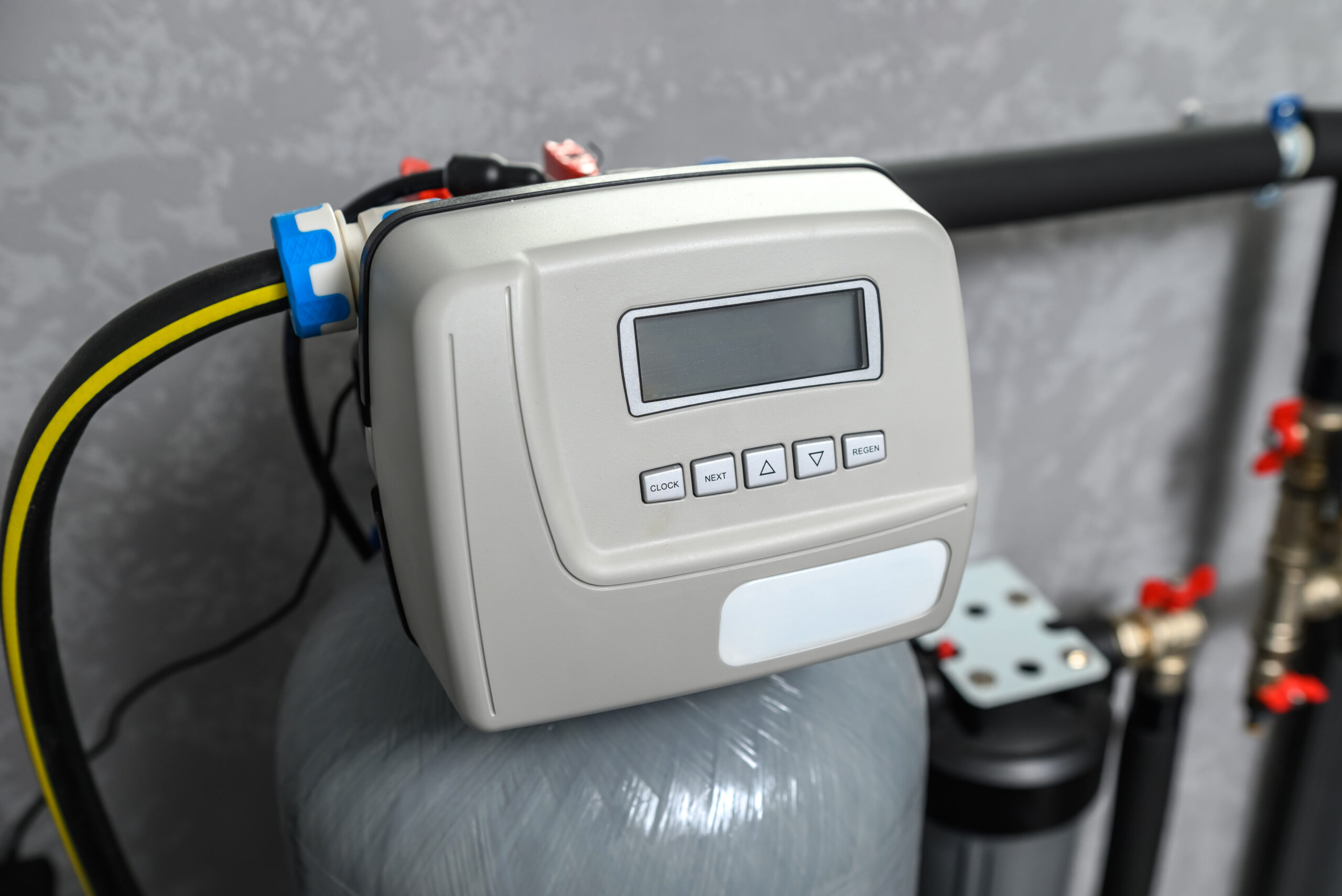
Hard water is a common issue in many homes, and it silently affects plumbing systems, appliances, and daily household routines. Understanding how water softeners work helps homeowners make informed decisions about improving water quality and protecting their investments. This guide explains the complete water softener working principle in a simple and engaging way while keeping technical clarity intact.
What Is Hard Water and Why Does It Matter
Hard water contains high levels of dissolved minerals, mainly calcium and magnesium, which accumulate through natural geological processes. These minerals cause scale buildup inside pipes, appliances, and fixtures, which reduces efficiency and increases maintenance costs over time.
When comparing hard water vs soft water, the difference becomes obvious in cleaning performance, soap efficiency, and appliance lifespan. Soft water improves lathering, reduces residue, and helps maintain smoother surfaces throughout the home.
How a Water Softener Works
To understand how a water softener works, you need to focus on the ion exchange mechanism, which is the core process. The system replaces hardness minerals with sodium or potassium ions, making the water softer and more suitable for household use.
Core Process Overview
The water softener process explained below shows how each stage contributes to effective water treatment and long-term efficiency.
- Hard water enters the mineral tank which contains ion exchange resin beads
- Calcium and magnesium ions attach to resin beads during the ion exchange water softener process
- Sodium ions are released into the water, replacing hardness minerals
- Softened water flows out into your plumbing system for daily use
This method ensures consistent calcium and magnesium removal, which helps prevent scale formation and improves water quality across all applications.
Components of a Water Softener System
Understanding how a water softener system works also involves knowing its main components and their specific roles.
Mineral Tank
The mineral tank is where the ion exchange resin beads perform the softening process by trapping hardness minerals effectively.
Brine Tank
The brine tank’s function is to store salt and create a brine solution, which is essential for regenerating resin beads.
Control Valve
The control valve manages water flow and schedules the regeneration cycle water softener systems require to maintain efficiency.
Water Softener Working Principle in Detail
The water softener working principle revolves around ion exchange,e which is a reversible chemical process designed for continuous operation.
Step-by-Step Process
- Hard water flows into the mineral tank filled with resin beads
- Resin beads attract and hold calcium and magnesium ions from the water
- Sodium ions are released into the water as a replacement
- Softened water exits the system and enters household plumbing
Over time, resin beads become saturated and require cleaning through the regeneration cycle, which water softener systems automatically perform.
Regeneration Cycle Explained
The regeneration cycle of water softener systems ensures that resin beads remain effective and continue removing hardness minerals efficiently.
Regeneration Stages
- Backwash stage removes debris and repositions resin beads
- The brine draw stage introduces salt solution into the mineral tank
- Ion exchange reversal releases trapped hardness minerals
- The rinse stage clears excess salt and prepares the system for reuse
This cycle plays a crucial role in maintaining water softener efficiency and ensuring consistent performance throughout the system’s lifespan.
Hard Water vs Soft Water Comparison
| Feature | Hard Water | Soft Water |
| Mineral Content | High calcium and magnesium | Low mineral content |
| Soap Efficiency | Poor lathering | Rich lathering |
| Scale Formation | large-scale buildup | Minimal scale |
| Appliance Lifespan | Reduced due to deposits | Extended lifespan |
| Skin and Hair Feel | Dry and rough | Smooth and soft |
Types of Water Softener Systems
There are different systems available, and choosing the right one depends on your needs and water hardness levels.
Salt-Based Water Softener Working
Salt-based systems use ion exchange to remove hardness minerals and are widely used due to their proven effectiveness.
Salt-Free Water Softener System
A salt-free water softener system conditions water instead of removing minerals and reduces scale formation without ion exchange.
Magnetic and Electronic Systems
These systems alter mineral behavior but do not remove them, and are less effective compared to traditional ion exchange systems.
Benefits of Installing a Water Softener System for the Home
Installing a water softener system for the home offers several advantages that improve daily living and reduce long-term costs.
- Prevents scale buildup in plumbing and appliances
- Improves soap efficiency and reduces cleaning effort
- Enhances skin and hair texture after bathing
- Increases appliance efficiency and lifespan
- Reduces energy consumption in water heating systems
For professional installation and expert guidance, you can explore services at https://onpointplumber.com/services/
Water Softener Efficiency and Maintenance
Maintaining water softener efficiency requires regular monitoring and proper upkeep to ensure consistent performance over time.
Maintenance Tips
- Refill salt in the brine tank regularly
- Clean the resin tank periodically to remove buildup
- Check system settings for optimal regeneration cycles
- Inspect valves and connections for proper operation
If you notice leaks or system issues, professional help is available at https://onpointplumber.com/services/water-leak-repair/
Water Conditioning vs Softening
Understanding water conditioning vs softening helps clarify the difference between removing minerals and altering their behavior.
Water softening removes calcium and magnesium through ion exchange, while conditioning changes mineral structure to reduce scaling effects. Both methods improve water usability, but softening provides more comprehensive results.
When Do You Need a Water Softener
You should consider installing a water softener if your home experiences high water hardness levels, which can be tested easily.
Common signs include scale buildup on fixtures, reduced soap efficiency, dry skin, and frequent appliance maintenance issues. Addressing these problems early prevents costly repairs and improves household comfort.
For drainage and plumbing support, visit https://onpointplumber.com/services/sewer-and-drain/
Choosing the Right System
Selecting the right system depends on water hardness levels, household size, and budget considerations for long-term efficiency.
Consulting professionals ensures accurate assessment and proper installation, which maximizes the performance and durability of your water softener system.
You can contact experts directly at https://onpointplumber.com/contact/
Conclusion
Understanding how a water softener works empowers homeowners to improve water quality and protect their plumbing systems effectively. The ion exchange water softener process remains the most reliable method for removing hardness minerals and enhancing overall household efficiency. With proper maintenance and the right system selection, you can enjoy long-lasting benefits and better water quality every day.
Ready to Transform Your Water Quality
Imagine enjoying cleaner dishes, smoother skin, and longer-lasting appliances with perfectly softened water every day. Take the next step toward a healthier home and explore expert plumbing solutions tailored to your needs. Visit https://onpointplumber.com today and discover how professionals can help you achieve efficient and reliable water systems with confidence.
Frequently Asked Questions
1. How a water softener works in simple terms
A water softener works by replacing calcium and magnesium ions with sodium ions through an ion exchange process.
2. Is a water softener system for the home necessary
It is necessary if your water has high hardness levels, which cause scale buildup and reduce appliance efficiency.
3. How often does the regeneration cycle of a water softener occur
Regeneration frequency depends on water usage and hardness levels, but typically occurs every few days.
4. What is the difference between salt-free and salt-based systems
Salt-based systems remove minerals, while salt-free systems condition water to reduce scaling without removing minerals.
5. Does a water softener improve the water taste
It may slightly change the taste due to sodium, but it mainly improves water usability and reduces hardness effects.