


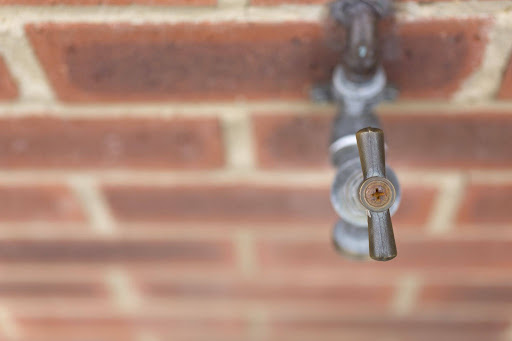
A functional outdoor faucet plays a vital role in every home, especially when watering gardens or cleaning outdoor spaces regularly. However, a damaged or leaking faucet can waste water and increase utility costs over time. Therefore, understanding hose bib replacement helps homeowners maintain efficiency and prevent costly plumbing issues before they escalate further.
This comprehensive guide explains everything about hose bib replacement, including tools, steps, and expert tips for successful outdoor faucet replacement. Whether you want to replace outdoor spigot units or perform a leaking hose bib repair, this guide ensures clarity and confidence.
What Is a Hose Bib and Why Does It Matter
A hose bib is an outdoor faucet connected to your plumbing system that provides water access outside your home. It allows convenient water usage for gardening, washing vehicles, and general outdoor cleaning tasks.
Over time, exposure to weather conditions can damage the faucet, causing leaks or reduced performance. Consequently, homeowners must understand when hose bib replacement becomes necessary to avoid structural damage and water waste.
Signs You Need Hose Bib Replacement
Recognizing early warning signs helps prevent serious plumbing issues and unnecessary repairs. Therefore, look for these indicators before starting an outdoor faucet replacement project.
- Continuous dripping even after tightening the handle properly
- Visible cracks or corrosion on the faucet body
- Low water pressure from the outdoor faucet
- Water leakage around the wall connection area
- Difficulty turning the handle smoothly
If you notice any of these problems, replacing the unit becomes essential for maintaining efficient outdoor faucet plumbing.
Tools and Materials Required
Before starting your hose bib installation guide process, gather all necessary tools to ensure a smooth workflow. Proper preparation saves time and prevents interruptions during the replacement process.
Essential tools include:
- Adjustable wrench
- Pipe wrench
- Screwdriver
- Plumber tape
- Replacement hose bib
- Pipe cutter if required
- A bucket or a towel for water control
Additionally, ensure you have access to the hose bib shutoff valve to stop water flow before starting the replacement process.
Types of Hose Bibs Explained
Choosing the right faucet is important for long-term durability and performance. Therefore, understanding different types helps you select the best option for your home.
Type of Hose Bib | Key Features | Best Use Case |
Standard hose bib | Simple design and easy installation | Mild climate areas |
Frost proof outdoor faucet | Prevents freezing during winter | Cold regions |
Ball valve hose bib | Provides quick shutoff control | Frequent usage |
Anti-siphon hose bib | Prevents backflow contamination | Safe water systems |
For colder climates, frost-free hose bib replacement offers better protection against freezing temperatures and pipe damage.
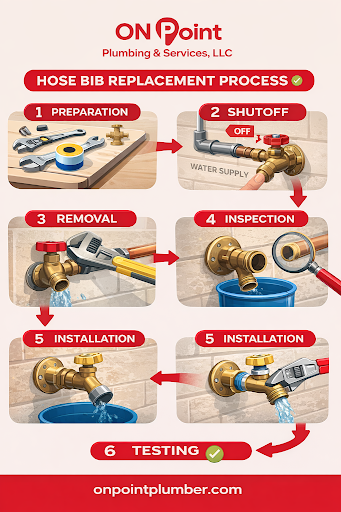
Step-by-Step Guide on How to Replace a Hose Bib
Replacing an outdoor faucet may seem challenging, but following structured steps makes the process manageable. Therefore, follow this hose bib installation guide carefully for successful results.
Step One: Turn Off Water Supply
Locate the hose bib shutoff valve inside your home and turn it off completely before beginning the replacement process. This step prevents water leakage and ensures safety during the procedure.
Step Two: Drain Remaining Water
Open the outdoor faucet to drain any remaining water inside the pipe. This reduces pressure and prevents spills during removal.
Step Three: Remove the Old Hose Bib
Use a wrench to loosen the existing faucet by turning it counterclockwise carefully. If the unit is soldered, you may need additional tools for proper removal.
Step Four: Inspect Pipe Connection
Examine the pipe connection for the hose bib to ensure there is no damage or corrosion. Replace damaged sections if necessary before installing the new unit.
Step Five: Install the New Hose Bib
Apply plumber’s tape to the threads and attach the new faucet securely. Ensure a tight fit without over-tightening, which may damage the connection.
Step Six: Restore Water Supply
Turn the water supply back on and check for leaks around the connection. Tighten slightly if necessary to ensure proper sealing.
Soldering vs Threaded Hose Bib Installation
Choosing between soldered and threaded connections depends on your plumbing setup and skill level. Therefore, understanding the difference helps you make an informed decision.
Installation Type | Advantages | Disadvantages |
Threaded hose bib | Easy installation and replacement | May loosen over time |
Soldered hose bib | Strong and durable connection | Requires skill and tools |
For beginners, threaded options are easier for outdoor faucet replacement, while soldered connections offer long term reliability.
Common Mistakes to Avoid
Even experienced homeowners can make errors during hose bib replacement, which may lead to leaks or damage. Therefore, avoid these common mistakes for better results.
- Skipping the water shutoff step before starting
- Using incorrect tools or poor quality materials
- Over-tightening connections causes cracks
- Ignoring the pipe condition before installation
- Failing to test for leaks after installation
Avoiding these issues ensures a smooth and successful replacement process.

Benefits of Timely Hose Bib Replacement
Replacing a faulty outdoor faucet provides several advantages that improve both functionality and efficiency. Therefore, timely action is always recommended.
- Prevents water wastage and reduces bills
- Protects walls and foundations from water damage
- Improves water pressure and performance
- Enhances outdoor convenience
- Increases overall plumbing system lifespan
For professional assistance, you can explore expert plumbing services at
https://onpointplumber.com/services/
When to Call a Professional Plumber
While many homeowners can handle basic replacements, some situations require expert help. Therefore, consider hiring professionals when facing complex issues.
- Severe pipe damage inside the wall
- Soldered connections require advanced tools
- Persistent leaks after installation
- Lack of proper tools or experience
For reliable solutions, visit https://onpointplumber.com/services/water-leak-repair/ for expert support and guidance.
Maintenance Tips for Long Lasting Performance
After completing the hose bib replacement, regular maintenance ensures long-term durability and performance. Therefore, follow these simple practices consistently.
- Disconnect hoses during winter to prevent freezing
- Check for leaks periodically
- Clean faucet threads to avoid buildup
- Use a frost-proof outdoor faucet in cold climates
- Turn off the internal shutoff valve during winter
Proper maintenance reduces the need for frequent repairs and ensures efficient outdoor faucet plumbing.
Why Choose Professional Plumbing Services
Although DIY solutions are helpful, professional plumbers offer precision and expertise that guarantee long-lasting results. Therefore, investing in professional services often saves time and prevents future complications.
Experienced professionals handle everything from pipe connections for hose bibs to complete outdoor faucet replacement with accuracy. Additionally, they ensure compliance with safety standards and provide reliable solutions.
If you need assistance, contact experts directly at
https://onpointplumber.com/contact/
Conclusion
Hose bib replacement is an essential skill for homeowners who want to maintain efficient outdoor water access and prevent costly plumbing issues. By understanding tools, steps, and best practices, you can confidently handle outdoor faucet replacement tasks.
However, when complexity increases, professional help ensures safe and effective results. Whether you are planning a simple leaking hose bib repair or a complete frost-free hose bib replacement, taking timely action always delivers better outcomes.
Ready to Upgrade Your Outdoor Plumbing
Do not let a leaking faucet waste your water and money any longer. Take action today and ensure your home stays efficient and damage free.
Visit https://onpointplumber.com/services/sewer-and-drain/ to explore expert solutions tailored for your plumbing needs.
Or connect directly with professionals at https://onpointplumber.com/contact/ and get reliable assistance that keeps your home running smoothly.
Your home deserves the best care, so start your hose bib replacement journey today with confidence and expert support.
Frequently Asked Questions
How long does hose bib replacement take?
Most replacements take about one to two hours, depending on the complexity and type of connection involved.
Can I replace a hose bib without professional help?
Yes, simple threaded replacements can be done by homeowners with basic tools and proper guidance.
What is the best type of hose bib for cold climates?
A frost-proof outdoor faucet is ideal because it prevents freezing and protects pipes from damage.
Why is my new hose bib still leaking?
Leaks may occur due to loose connections, damaged threads, or improper sealing with plumber’s tape.
How often should I check my outdoor faucet?
Inspect your hose bib at least twice a year to ensure proper functioning and detect early issues.