
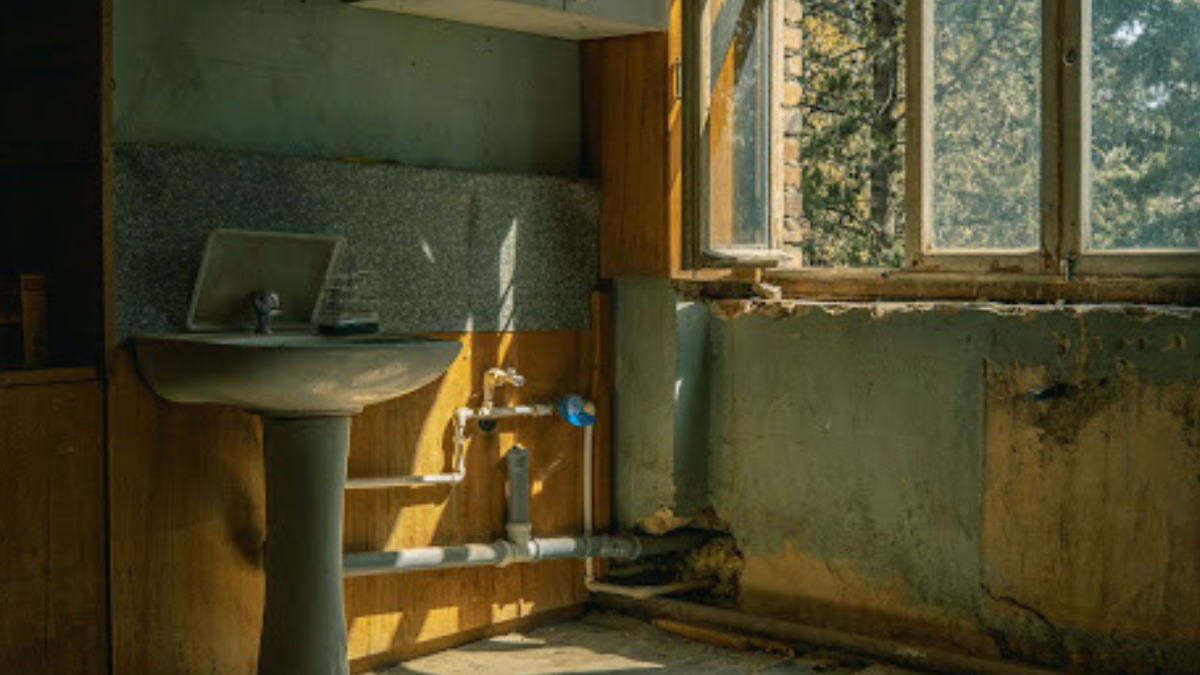
Slow drains can initially feel like a minor annoyance. Yet slow drains in older homes often signal deeper plumbing issues. Legacy houses usually have aged pipes, outdated venting, and years of buildup inside the drain lines. Therefore, a small slowdown today can become a costly blockage tomorrow.
This guide explains the most common causes of slow drains and provides the safest methods for their repair. You will learn practical steps for diagnosing slow drains in bathrooms, kitchens, and main lines.
Why do slow drains in older homes behave differently
Older plumbing systems were built with materials and layouts that modern homes rarely use. Cast iron, galvanized steel, and early copper can corrode over time. Consequently, the inner pipe diameter shrinks and snags debris more easily.
Many legacy homes also have flatter pipe slopes than current codes prefer. That reduced slope slows water movement and leaves solids behind. Additionally, older vent stacks can clog or fail, which traps air and slows drainage.
Finally, decades of use create a layered buildup inside pipes. Grease, soap scum, hair, and mineral scale bond together and harden. As a result, drain cleaning for older plumbing must be careful and methodical.
Common causes of slow drains in legacy houses
Diagnosing slow drains begins with understanding what is most likely inside the pipe. In older homes, the issue is often a combination of factors. However, the right clue can narrow the source quickly.
1. Biofilm and soap buildup in bathroom lines
A slow drain in the bathroom sink lines commonly comes from soap residue, toothpaste, and hair. These materials form a slick coating called biofilm. Over time, the coating thickens and catches more debris.
2. Grease and food waste in kitchen lines
A slow kitchen sink drain fix often starts with grease management. Grease cools inside the pipe and turns into a sticky wall. Therefore, even small food particles can cling and create a stubborn restriction.
3. Mineral scale in older supply and drain systems
Hard water minerals coat pipe walls and narrow the flow path. This is common in galvanized or older cast-iron lines. Consequently, a drain may slow gradually and seem normal until it suddenly fails.
4. Root intrusion in clay or cracked lines
Many legacy homes have clay sewer lines or aging joints. Tree roots seek moisture and can enter through tiny gaps. As roots expand, they trap waste and create repeated clogs.
5. Venting problems and trapped air
Proper venting lets air move so water can flow freely. If a vent is blocked, drains gurgle and empty slowly. Moreover, you may notice sewer odors after running water.
6. Main line restrictions and partial blockages
Main line slow-drain symptoms are different from a single fixture issue. Multiple drains slow down at once, and toilets may rise or bubble. Therefore main line trouble should be addressed quickly.
A simple diagnostic approach that saves time
When diagnosing slow drains, start with observation. Then test one fixture at a time in a consistent order. This reduces guesswork and helps you avoid unnecessary work.
Step 1: Identify which fixtures are affected
Check the bathroom sink, shower, tub, and kitchen sink. Flush toilets and run water for sixty seconds in each area. If only one fixture is slow, the clog is likely local.
If several fixtures slow together, suspect a branch line or main line. Additionally, watch for gurgling and water backing up into another fixture.
Step 2: Note the drain behavior and timing
A slow drain that worsens during heavy use suggests partial blockage. A slow drain that improves briefly after plunging often means soft buildup. However, a slow drain that returns quickly can indicate roots or heavy scale.
Step 3: Use sound and smell as clues
Gurgling often points to vent issues or partial blockages that trap air. Sewer smell can indicate a dry trap or venting trouble. Therefore, do not ignore odor because it can guide your next step.
Step 4: Inspect visible components safely
Remove the sink stopper and look for hair and debris. Check the trap under the sink for leaks or corrosion. Meanwhile, avoid harsh chemicals that can damage old pipes.
Quick reference table for diagnosis and first actions
Area or symptom | Likely issue | What you can try first | When to call a plumber |
Slow drain in bathroom sink | Hair and soap biofilm | Cleanthe stopper and trap, then flush with hot water | If water still pools after two attempts |
Slow kitchen sink drain fix needed | Grease and food buildup | Remove trap debris, use enzyme cleaner overnight | If recurring weekly or foul smell persists |
Tub or shower drains slowly | Hair and soap scum | Use a drain snake designed for hair removal | If backup reaches the floor drain |
Gurgling drains and slow flow | Venting problem or partial clog | Check the roof vent only if safe and accessible | If gurgling involves multiple fixtures |
Main line slow-drain symptoms | Sewer line restriction or roots | Stop using water and inspect the cleanout if present | If toilet bubbles or sewage backup occurs |
Slow-drain repair methods that work well for older plumbing
Many homeowners reach for chemical drain openers. Yet older pipes can be vulnerable to heat and corrosion from harsh products. Therefore, choose safer slow-drain repair methods first and scale up carefully.
1. Manual cleaning of stoppers and traps
Start with the simplest step because it is often the most effective. Remove the stopper and pull out hair and sludge. Then place a bucket under the trap and carefully loosen the slip nuts.
Clean the trap and rinse it thoroughly. Reassemble and run water for several minutes. Additionally, check for leaks because older washers can fail after disturbance.
2. Plunging with proper technique
Use a cup plunger for sinks and a flange plunger for toilets. Seal the overflow opening in a sink with a wet cloth. Then plunge with steady pressure for twenty seconds.
Plunging can shift soft blockages in branch lines. However, it may not help with grease or mineral scale. If plunging does not improve flow, move to snaking.
3. Snaking and small augers for branch lines
A hand auger can reach deeper than the trap and break up clogs. Feed the cable slowly and rotate with gentle force. Therefore, you reduce the chance of damaging fragile older pipes.
For bathroom drains, use a hair snake designed for tight bends. For kitchen lines, a longer auger works better because grease clogs can sit farther away. Additionally, flush with hot water after snaking to carry debris out.
4. Enzyme-based cleaners for maintenance
Enzyme cleaners digest organic buildup gradually. They are slower than chemicals but safer for many legacy systems. Consequently, they are useful for drain cleaning for older plumbing over time.
Use them overnight and repeat weekly for a month if needed. However, enzyme products will not remove mineral scale or roots. For those cases, you need mechanical or professional solutions.
5. Hydro jetting for heavy buildup
Hydro jetting uses high-pressure water to scour pipe walls. It can remove grease, sludge, and some scale. Therefore, it is one of the most effective professional slow-drain repair methods.
In older homes, a plumber should evaluate pipe condition first. If pipes are brittle or cracked, a gentler approach may be safer. Moreover, a camera inspection often prevents surprises.
6. Camera inspection for repeated or unclear problems
If you cannot pinpoint the clog location, a camera can reveal the exact cause. It can show roots, cracks, sags, and heavy corrosion. Consequently, it guides the correct repair instead of repeated trial and error.
7. Sewer line repair for roots and structural damage
Roots often require cutting and ongoing prevention. In severe cases, a damaged line needs repair or replacement. Therefore, the recurring main line slow-drain symptoms should not be ignored.

Prevention tips that keep legacy drains moving
Prevention is cheaper than emergency work, especially in older systems. Small habits reduce buildup and protect pipe interiors. Therefore, adopt a simple routine that matches your home.
- Use a sink strainer in kitchens and showers
• Avoid pouring grease down any drain
• Flush bathroom drains with hot water weekly
• Clean stoppers and hair screens every few days
• Use enzyme maintenance monthly if buildup is common
• Schedule periodic inspections if your home has mature trees
When professional help is the smart choice
Some issues require tools and training, not more effort. If you see backups, sewage odor, or repeated slowdowns, get help. Moreover, older pipes can fail if pushed with aggressive methods.
Consider professional service when these conditions appear.
• Water backs up into another fixture
• Toilets bubble when a sink drains
• Floor drains overflow during laundry cycles
• Slowdowns return within days after cleaning
• You suspect roots or a damaged main line
If your home also has leaks, address those quickly because hidden water damage spreads. You can review water leak repair services through On Point Plumber. You can also contact our team directly for an inspection and repair plan.
Get Unstuck Today With Expert Drain Help
Ready to solve your slow drains with confidence. Use this quick check before you pick a tool.
- Which fixtures are slow right now
- Do you hear gurgling after draining water
- Did the problem start suddenly or build gradually
- Are there trees near the sewer path
- Have you had repeated clogs in the past month
If your answers point to a deeper issue, take the stress out of guessing. Visit On Point Plumber and book a professional diagnosis through our contact page. You will get clear answers, a repair plan, and a drain system that runs smoothly again.
Frequently Asked Questions
What are the most common causes of slow drains in older homes?
The most common causes are soap and hair buildup, grease, mineral scale, and roots in aging sewer lines. Vent issues can also contribute.
How do I start diagnosing slow drains without tools?
First check whether one fixture or many fixtures are affected. Then clean the stopper and trap, and listen for gurgling or bubbling.
Which slow-drain repair methods are safest for older pipes?
Manual cleaning, plunging, and careful snaking are usually safe. Enzyme cleaners are also gentle for ongoing drain cleaning for older plumbing.
What should I watch for with a slow kitchen sink drain fix?
If clogs return often, grease buildup may be deeper in the line. If it returns quickly, a plumber can clear the pipe with the right tools.
What are the clear main line slow-drain symptoms?
Multiple drains slow at once, toilets bubble, and water backs up into tubs or floor drains. These signs can point to a sewer line restriction.


