
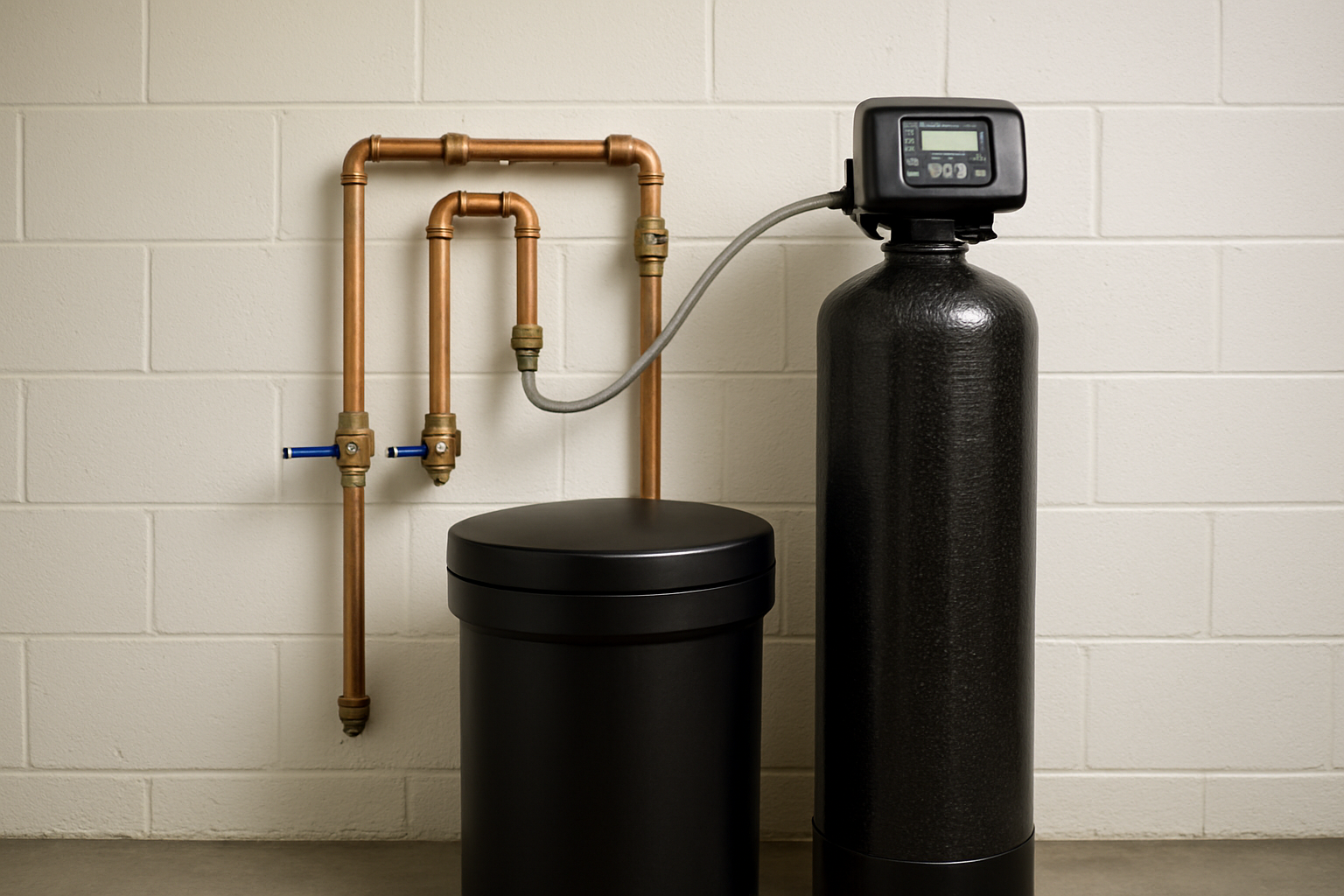
Choosing the right water softener sizing and installation plan matters for every homeowner. Hard water affects comfort, appliances, and long-term water systems. A proper home water softener setup helps you protect your investment while keeping daily life smooth and simple. With the right guidance, single-family homes can solve hard water treatment issues with confidence.
Why Sizing Matters for Single-Family Homes
Getting the correct size is the first major step in water softener installation. A system that is too small regenerates too often. A system that is too large wastes salt and money. Since each home has unique water use patterns, smart sizing ensures steady performance. It also keeps your plumbing services efficient over time.
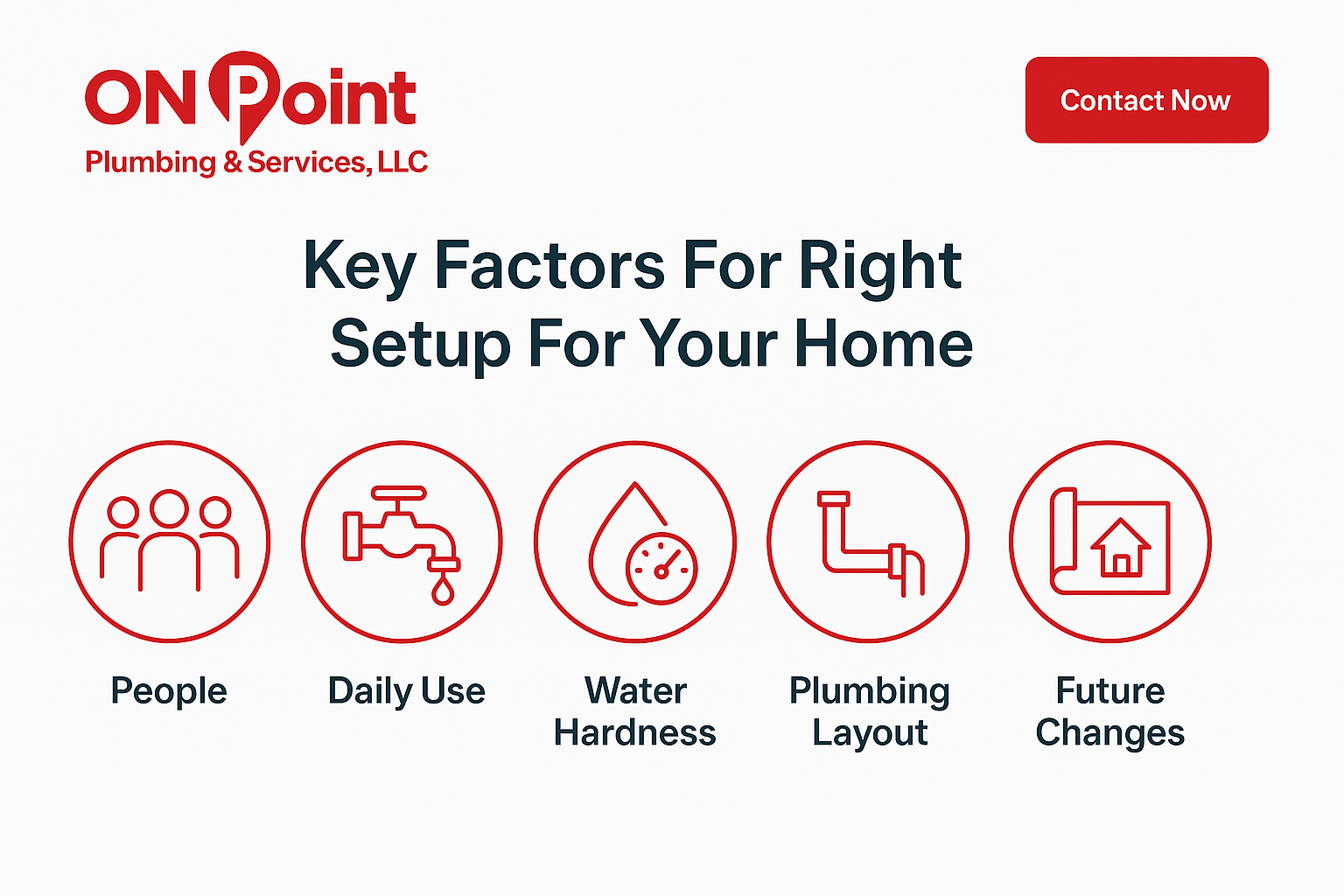
Key Factors That Influence Water Softener Sizing and Installation
Several points shape the right setup for your home. These include:
- Number of people in the home
- Average daily water use
- Water hardness levels
- Plumbing layout
- Future changes to water systems
With these factors in mind, you create a balanced plan that supports daily comfort. You also reduce strain on appliances throughout the home.
Understanding Household Water Use
Your family’s habits guide most decisions. Below is a simple table that helps you estimate overall demand.
Number of People | Estimated Daily Use (Gallons) |
1 to 2 | 60 to 80 |
3 to 4 | 80 to 110 |
5 or more | 110 to 140 |
These numbers help you choose a home water softener that supports consistent performance. They also help professional plumbers plan the most efficient layout.
Testing Water Hardness Before Installation
Before you invest, always test hardness levels. This step shapes every part of water softener sizing and installation. It also confirms the right level of hard water treatment for your region. Most experts use grains per gallon as the primary measure. Higher numbers mean more minerals in your water.
Once testing is complete, the installation team can design a plan that fits your water systems with accuracy.
Placement and Layout Inside Single-Family Homes
Your layout affects long-term success. Most systems work best when placed:
- Near the home’s main water line
- Close to a drain for softener cycles
- In a dry and accessible location
- Away from harsh temperature swings
These points help plumbing services run smoothly and prevent future issues. Since placement affects flow and efficiency, planning with professional plumbers ensures the job is done right.
Benefits of Proper Water Softener Installation
When the system is sized and installed correctly, you gain several advantages:
- Softer water for daily tasks
- Longer appliance lifespan
- Lower repairs on water systems
- Cleaner fixtures with fewer stains
- More comfortable showers and laundry cycles
Each benefit grows over time. With steady transitions between each step, the entire home feels easier to manage.
Mistakes to Avoid During Installation
A few common issues cause most long-term problems. Try to avoid:
- Incorrect sizing choices
- Ignoring hardness testing
- Skipping routine service
- Choosing low-quality equipment
- Poor placement of the system
Avoiding these mistakes supports better performance and reduces costly repairs later.
When to Call Professional Plumbers
Many homeowners try to install their own systems. Yet water softener installation works best when handled by trained teams. Professionals understand pipes, flow rates, and local water quality. They also prevent small errors that turn into costly problems.
Working with experts ensures you get reliable results from day one.
Ready for Better Water?
If you want clear guidance, reliable support, and expert installation, the team at On Point Plumber is here to help.
Contact us today to schedule your professional setup and enjoy softer, cleaner water throughout your home.
Frequently Asked Questions
What is the best type of system for water softener sizing and installation?
The best option depends on water hardness, home size, and daily use.
How long does a home water softener last?
Most systems last ten to fifteen years with good care.
Can single-family homes handle high hardness levels?
Yes, but they need strong equipment and correct hard water treatment.
How often should I service my water systems?
Routine checks once a year help keep everything running smoothly.
Where should I place the unit for proper water softener sizing and installation?
Most systems work best near the main supply line and a reliable drain.




