
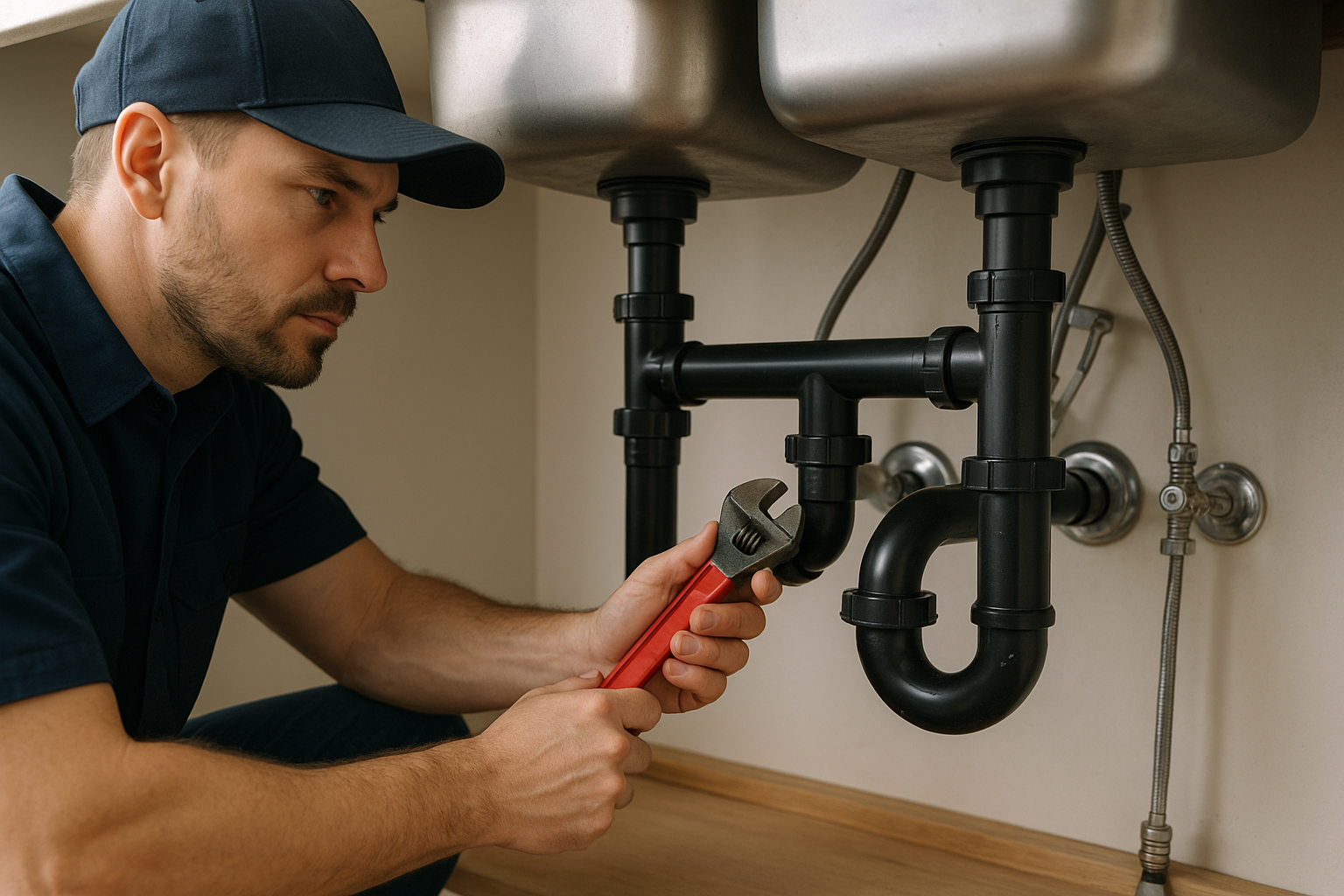
If you’re planning to remodel your kitchen or bathroom in 2025, plumbing code updates are something you can’t ignore. Whether you’re adding a new shower, moving your sink, or upgrading pipes, plumbing code updates determine how your system must be built to stay safe, efficient, and compliant.
Think of them as the rules of the road for your home’s water system. They’re not just technical jargon; they exist to protect your family’s health, your home’s value, and your remodel’s long-term success. But what exactly has changed, and how does it affect your project in Texas?
Let’s break it down so you can remodel confidently, without unexpected delays or costly do-overs.
Why Plumbing Code Updates Matter for Home Remodels
Plumbing codes are regularly revised to reflect new materials, safety standards, and water efficiency goals. When new updates roll out, remodelers, homeowners, and plumbers must adjust their plans to stay compliant.
For example, a pipe or fixture that was acceptable five years ago might now fail inspection due to new plumbing standards for 2025. That means if you’re planning a remodel, ignoring these updates could lead to failed inspections or even fines.
At On Point Plumber, we’ve seen homeowners face weeks of delay because a remodel didn’t meet the plumbing inspection requirements in Texas. Understanding the rules early on helps you save time, money, and stress.
Key Changes in the 2025 Plumbing Standards
The new plumbing standards for 2025 are focused on safety, sustainability, and smarter water usage. Here’s a summary of what’s changing and how it affects your kitchen and bath remodel:
Category | Old Rule | New 2025 Standard | What It Means for You |
Pipe Materials | PVC or copper is allowed for most fixtures | Lead-free, corrosion-resistant materials required | Higher safety, longer lifespan |
Water Heaters | 0.58 energy factor minimum | 0.75 energy factor minimum | More efficient, lower bills |
Fixture Flow Rates | 2.5 GPM for showers | 2.0 GPM or less | Reduced water waste |
Vent Systems | Limited air admittance valves | Wider acceptance for AAVs with certification | Easier remodel layouts |
Drainage Slope | ¼-inch per foot required | Some allowances for a ⅛-inch slope | More flexibility in design |
Greywater Use | Not widely allowed | Permitted with filtration systems | Easier water reuse options |
These updates reflect Texas’s move toward water conservation and better home safety standards.
How Plumbing Code Updates Affect Kitchen Remodels
When you remodel your kitchen, even small upgrades, like adding a dishwasher or relocating a sink, fall under kitchen and bathroom remodel plumbing rules.
Here are a few areas where the 2025 updates may come into play:
1. Appliance Connections Must Be Code-Compliant
Dishwashers and garbage disposals now have more specific discharge line and air gap requirements to prevent contamination. If you’re adding new appliances, they must meet compliant plumbing upgrades for remodels.
2. Sink Relocation Requires Proper Venting
Moving a sink isn’t just about running a new pipe. The vent system must meet the latest plumbing codes, ensuring air can move freely to prevent slow drains or sewer gas. Texas inspectors are strict about this, and rightfully so.
3. Grease Traps and Drainage Adjustments
For larger kitchen remodels, especially in older homes, grease traps or upgraded drainage slopes may now be required. The updated code allows slightly shallower slopes, which gives remodelers more design freedom without risking backups.
How Plumbing Code Updates Impact Bathroom Remodels
Bathroom remodels are where most homeowners feel the pinch of code changes, especially if you’re redoing showers, tubs, or toilets.
Here’s what you should know before starting:
1. Water Efficiency is Now Mandatory
The 2025 standards call for low-flow fixtures across the board. Showerheads must not exceed 2.0 GPM, and faucets can’t exceed 1.5 GPM. This saves water and money while meeting environmental goals.
2. Ventilation and Moisture Control
Many older homes in Texas lack proper ventilation. The new code requires bathrooms with tubs or showers to have mechanical exhaust fans that meet humidity removal standards. That helps prevent mold and structural issues.
3. Pipe Materials Must Be Certified Lead-Free
Even if your home is older, any new pipes installed must meet the updated “lead-free” standards, with under 0.25% lead content. This is one of the biggest plumbing code updates aimed at protecting household water quality.
4. Accessibility and Safety Rules
Bathroom remodels must now consider accessibility. Grab bar reinforcement, safe shower entry points, and clearances around toilets are part of the newer standards. This ensures your remodel meets modern safety expectations.
Plumbing Inspection Requirements in Texas
Texas has specific inspection steps for remodels, and with the new codes, these inspections are stricter than ever.
Here’s what homeowners can expect:
- Rough-In Inspection: Before walls are closed, the inspector checks pipe sizes, slopes, and materials.
- Top-Out Inspection: After fixtures and vents are installed, they verify connections meet new rules.
- Final Inspection: Once everything is finished, they test for leaks, pressure, and drainage efficiency.
Failing an inspection can mean tearing out finished work, so choosing a plumber familiar with plumbing inspection requirements in Texas is crucial.
At On Point Plumber, we make sure every step meets both state and local codes before you get to that final inspection.
How to Stay Compliant During Your Remodel
Remodeling can be exciting, but skipping the compliance step is a common (and costly) mistake. Here’s how to stay on the right side of the new rules:
Hire a Licensed Plumber
Only licensed professionals are trained to interpret and apply the latest plumbing code updates.
Get Permits Early
In Texas, most remodels need plumbing permits. Starting work without one can void warranties or delay your project.
Schedule Pre-Inspections
A pre-inspection can flag outdated plumbing before it causes problems. It’s especially smart for older homes.
Upgrade Smartly
If you’re already remodeling, upgrade your piping or fixtures now, not later. Future-proofing your system means you won’t have to tear open walls again when standards tighten.
Why Working With On Point Plumber Makes a Difference
At On Point Plumber, we’ve helped countless Texas homeowners navigate plumbing code updates without stress. We focus on transparent communication and compliance from the start, so there are no surprises later.
Our licensed team stays ahead of every code change, ensuring that your kitchen and bath remodel not only looks amazing but also passes every inspection the first time.
Whether you’re upgrading fixtures, reworking layouts, or planning a full renovation, we make sure your home meets every standard while keeping the process simple and worry-free.
Quick Takeaways
- 2025 plumbing standards focus on water efficiency, safety, and sustainability.
- Texas inspectors are paying close attention to venting, water heater efficiency, and material safety.
- Always hire a licensed plumber familiar with plumbing inspection requirements in Texas.
- Stay proactive with pre-inspections and permit planning.
Stay Ahead, Stay Compliant, and Love Your Remodel
Remodeling your kitchen or bathroom is exciting, but keeping up with plumbing code updates ensures your dream space works as beautifully as it looks.
With Texas adopting new plumbing standards for 2025, there’s no better time to make sure your home is both stunning and compliant.
Ready to start your remodel the right way?
Contact On Point Plumbing & Services, LLC today for expert guidance, transparent advice, and complete peace of mind, from the first plan to the final inspection.
Frequently Asked Questions
What are the major 2025 plumbing code updates for home remodels?
They include stricter water efficiency standards, certified lead-free materials, and improved ventilation requirements.
How do plumbing code updates affect kitchen remodels?
They impact sink relocation, appliance connections, and drainage layouts, ensuring everything meets compliant plumbing upgrade rules.
Do I need a plumbing inspection for a small remodel in Texas?
Yes. Even minor updates often require at least one inspection to ensure compliance with plumbing inspection requirements in Texas.
What happens if my remodel doesn’t meet the new plumbing standards?
Your project could fail inspection, leading to costly delays or rework. Hiring a licensed plumber prevents that risk.
How can I make sure my remodel meets the latest plumbing codes?
Work with a plumber who understands local kitchen and bathroom remodel plumbing rules and schedules regular compliance checks.